




About Djanet, Algeria – Discover the Heart of the Sahara
Djanet is an oasis city in southeastern Algeria and one of the most remarkable gateways to the Sahara. Surrounded by the spectacular landscapes of Tassili n’Ajjer, Djanet is the ideal starting point for discovering ancient rock art, sandstone mountains, desert valleys, hidden oases and the rich culture of the Tuareg people.
For travellers looking for an authentic Sahara experience in Algeria, Djanet offers a unique combination of natural landscapes, prehistoric heritage and local culture.

Where Is Djanet, Algeria?
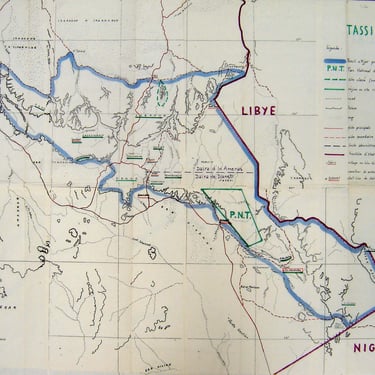
Djanet is located in southeastern Algeria, close to the borders with Libya and Niger. The city lies in a desert valley surrounded by the mountains of Tassili n’Ajjer and the vast landscapes of the Sahara.
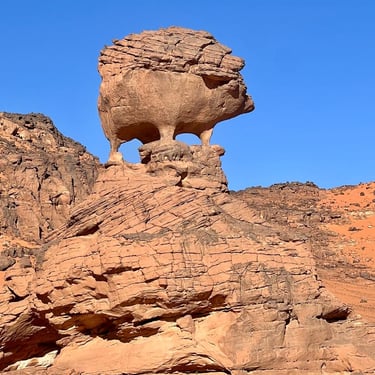
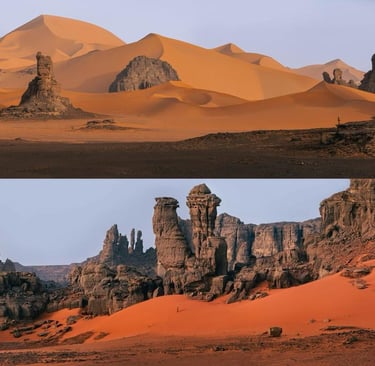
Unlike the image of a desert made only of sand dunes, the region around Djanet is incredibly diverse. You can find sandstone plateaus, deep canyons, rocky valleys, dunes, palm-filled oases and ancient watercourses.
This exceptional landscape is what makes Djanet one of the most fascinating destinations in the Algerian Sahara.


Djanet and Tassili n’Ajjer
Djanet is closely connected to Tassili n’Ajjer, a vast sandstone region renowned for its extraordinary landscapes and prehistoric rock art.
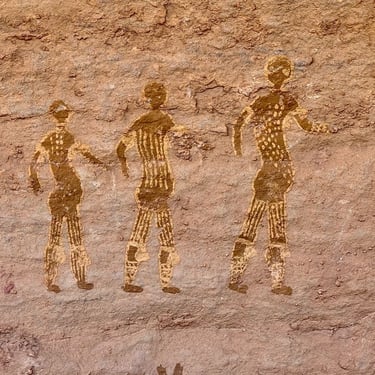
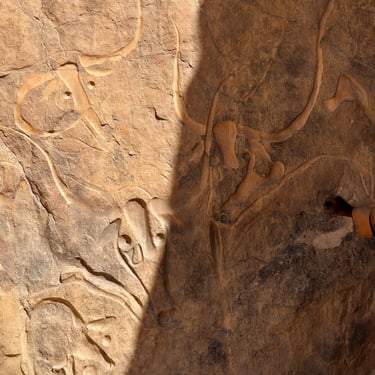
The Tassili n’Ajjer preserves thousands of paintings and engravings created by people who lived in the Sahara when its climate was very different from today. These artworks provide remarkable evidence of ancient human life, animals and changing environments.
From Djanet, travellers can explore different parts of this extraordinary region through trekking and 4x4 expeditions.


What to See Around Djanet
The area around Djanet offers a remarkable variety of landscapes and experiences.
Tadrart Rouge
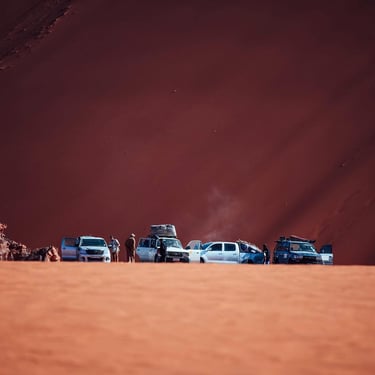
South of Djanet lies Tadrart Rouge, one of the most spectacular desert landscapes in the region. It is known for its striking red sandstone formations, vast dunes, natural arches and dramatic canyons.
A journey through Tadrart Rouge from Djanet offers an unforgettable experience in the Algerian Sahara. As the sun moves across the sky, the colours of the sandstone and dunes change from warm golden tones to deep red shades, creating extraordinary scenery at sunrise and sunset.
Exploring Tadrart Rouge by 4x4 and on foot allows travellers to discover remote landscapes, natural rock formations and the silence of the Sahara far from the city.


Sefar
Sefar, located within the Tassili n’Ajjer region, is renowned for its exceptional prehistoric rock art and spectacular sandstone landscapes.
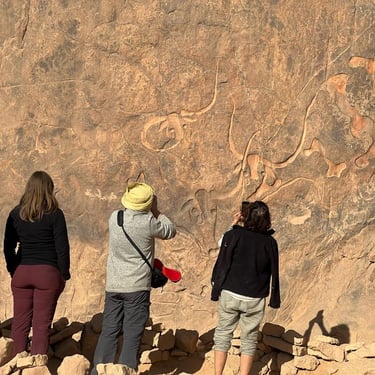
For travellers interested in archaeology, prehistoric history and desert trekking, Sefar offers a fascinating journey through one of the Sahara’s most remarkable archaeological landscapes. Ancient paintings and engravings found among the sandstone formations provide a glimpse into human life in the Sahara thousands of years ago.
Exploring Sefar with a local guide allows visitors to discover its ancient rock art while experiencing the remote landscapes and silence of the Tassili n’Ajjer.


Essendilène
Essendilène, near Djanet in the Tassili n’Ajjer region, is known for its spectacular canyon, sandstone cliffs and natural oasis.
The contrast between the rocky desert landscape and the vegetation around the water makes Essendilène a remarkable place to discover near Djanet. Walking through the canyon offers travellers a peaceful experience surrounded by impressive rock formations and the unexpected greenery of the oasis.
An excursion to Essendilène is an excellent way to experience the diversity of the Algerian Sahara, where dramatic desert landscapes and natural water sources exist side by side.


Ihrir
Ihrir, in the Tassili n’Ajjer region near Djanet, offers a completely different side of the Sahara. Natural springs, palm trees and traditional settlements create a green oasis surrounded by the arid desert landscape.
Visiting Ihrir gives travellers an opportunity to discover how water has shaped life in the Sahara. The oasis is a peaceful place to experience local traditions, desert landscapes and the communities that have lived in this region for generations.
An excursion to Ihrir is an ideal addition to a journey through the Djanet region for travellers who want to experience both the rugged landscapes of the Sahara and the life of its oases.


The Tuareg Culture of Djanet
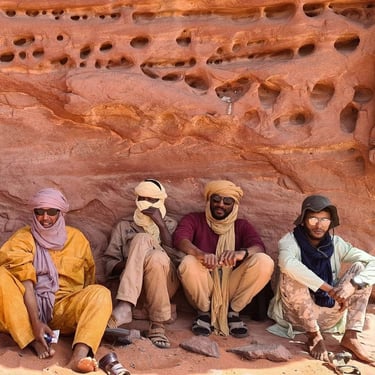
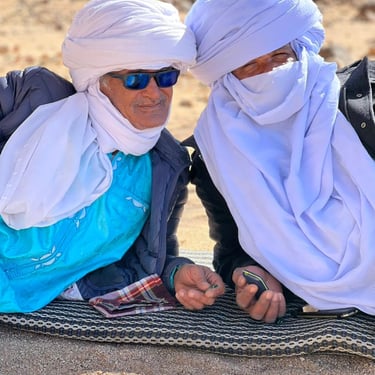
Djanet is home to the Kel Ajjer Tuareg, whose history and culture are deeply connected to the Sahara.
Tuareg traditions can be experienced through local hospitality, music, craftsmanship, traditional clothing and knowledge of the desert.
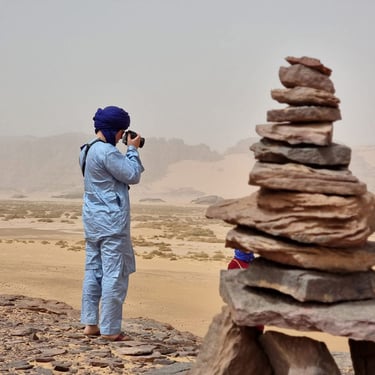
Travelling with local Tuareg guides also gives visitors a different perspective on the Sahara. Their knowledge of routes, landscapes, water sources, rock art and desert traditions adds an important cultural dimension to the journey.


What to Do in Djanet
There are many ways to experience Djanet and the surrounding Sahara, whether you are interested in adventure, nature, photography, archaeology or local culture.
You can explore the desert by 4x4, trek through the sandstone landscapes of Tassili n’Ajjer, discover prehistoric rock art, visit natural oases and traditional settlements, photograph the dramatic scenery or spend a night in a desert camp beneath the stars.
For travellers looking for a deeper Sahara experience, multi-day expeditions from Djanet allow you to travel farther into the desert and explore remote landscapes away from the city. These journeys offer time to appreciate the silence, vastness and changing colours of the Sahara.
Desert Trekking
Explore the desert on foot with a local guide and discover sandstone valleys, rock formations, ancient trails and remote landscapes that cannot be experienced from a vehicle alone.
4x4 Desert Expeditions
A 4x4 expedition makes it possible to reach remote areas of the Djanet region and combine several landscapes and sites during one journey.
Prehistoric Rock Art
Discover ancient paintings and engravings preserved throughout Tassili n’Ajjer and learn about the people who lived in the Sahara thousands of years ago.
Desert Nights and Stargazing
Spend a night away from artificial lights and experience the exceptional silence of the Sahara. After sunset, the clear desert sky offers a remarkable opportunity for stargazing and photography.
When Is the Best Time to Visit Djanet?
The best time to visit Djanet is generally during the cooler months, when temperatures are more comfortable for desert trekking, 4x4 expeditions and multi-day journeys through the Sahara.
The cooler season is particularly suitable for exploring Tassili n’Ajjer, Tadrart Rouge and the other desert landscapes around Djanet. Days are usually more comfortable for outdoor activities, while nights in the desert can be cold, especially during the winter months.
The ideal time for your trip also depends on your itinerary, the type of experience you are looking for and the conditions in the desert. Trekking, photography, rock-art exploration and 4x4 expeditions may each require slightly different planning.
Before travelling, it is important to plan your itinerary with a local team familiar with the Djanet region and current desert conditions. This helps ensure that your route, equipment and activities are appropriate for the season.


Why Visit Djanet?
Djanet is more than a gateway to the Sahara.
It is a place where ancient rock art, dramatic landscapes, oasis life and Tuareg culture come together.
Whether you want to explore Tassili n’Ajjer, discover Tadrart Rouge, walk through Essendilène, visit Sefar or experience the oasis of Ihrir, Djanet offers an authentic way to discover southeastern Algeria.


Explore Djanet with The Pleiades Travel
At The Pleiades Travel, we organize private and small-group desert journeys from Djanet with experienced local Tuareg guides.
Our tours include expeditions to Tadrart Rouge, Tassili n’Ajjer, Sefar, Essendilène and Ihrir, with itineraries adapted to your interests, dates and group.
Whether you are looking for a desert trek, a 4x4 expedition, prehistoric rock art, photography or simply an authentic Sahara experience, we can help you plan your journey from Djanet.
Discover Djanet and experience the Algerian Sahara with local guides who know and love the desert.